

Welcome to Mount Rinjani National Park, a breathtaking natural wonderland on the island of Lombok, Indonesia. Dominated by the magnificent Mount Rinjani volcano, this Rinjani National Park is a haven for adventure seekers, nature enthusiasts, and those seeking unforgettable experiences. This guide provides everything you need to know to plan your visit to Mount Rinjani National Park, from trekking information to conservation efforts.
What is Mount Rinjani National Park?
Rinjani National Park is a protected area encompassing Mount Rinjani and its surrounding ecosystem. Established to conserve the region’s unique biodiversity and geological significance, the park covers over 41,330 hectares. Its diverse landscapes range from lush tropical rainforests and savanna grasslands to towering volcanic peaks and the stunning crater lake, Segara Anak. Mount Rinjani itself is the second-highest volcano in Indonesia, standing at 3,726 meters (12,224 feet).
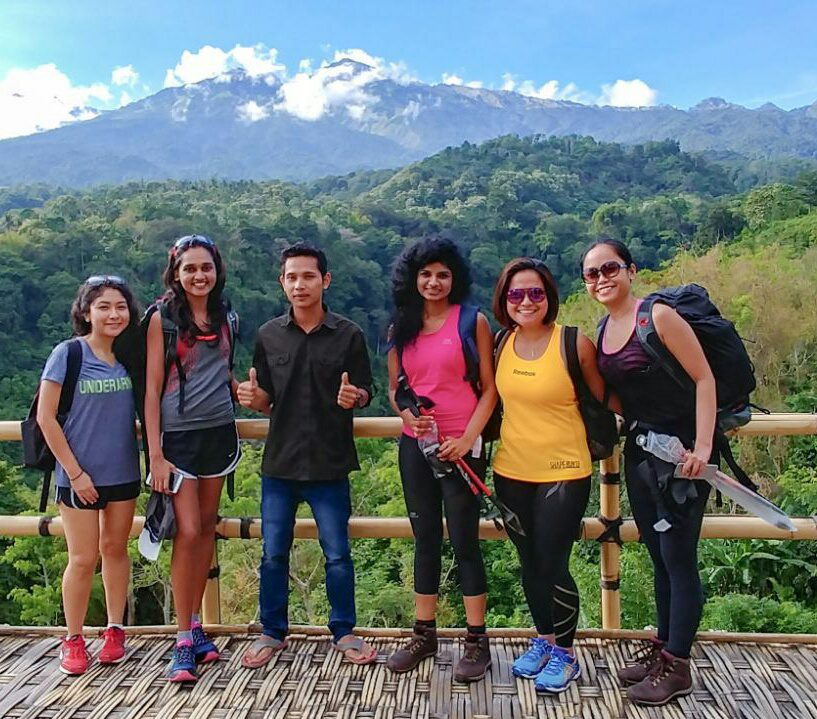
Why Visit Mount Rinjani National Park? The Allure of Rinjani
The Rinjani National Park offers a multitude of attractions and activities:
* Trekking to the Summit of Mount Rinjani: A challenging but rewarding experience, offering panoramic views of Lombok, Bali, and Sumbawa. Several trekking routes cater to different fitness levels.
* Exploring Segara Anak Lake: A turquoise-colored crater lake within the Rinjani National Park. It’s a sacred place for the local Sasak people and a stunning sight to behold.
* Hiking to Waterfalls: Discover hidden waterfalls cascading through the lush forests of the Mount Rinjani National Park. Popular choices include Sendang Gile and Tiu Kelep waterfalls near Senaru.
* Witnessing Diverse Flora and Fauna: Rinjani National Park is home to a variety of plant and animal life, including endemic species like the Rinjani Scops Owl and the long-tailed macaque.
* Experiencing Sasak Culture: Interact with the local Sasak people and learn about their traditions and way of life.
Trekking Mount Rinjani: A Guide to Routes and Permits inside the National Park
Trekking Mount Rinjani is the park’s main draw. Here’s what you need to know:
* Senaru Route: Gradual ascent, suitable for beginners.
* Sembalun Route: Steeper ascent, offering panoramic views.
* Torean Route: Less crowded, more adventurous, descending to the north.
* Combination Routes: Combining Senaru and Sembalun is a popular option.
* Trekking Permits: Required for all treks within the Rinjani National Park. These can usually be arranged through your trekking operator.
* Best Time to Trek: The dry season (April to November) is the best time for trekking, offering clearer skies and less rainfall.
* Hiring a Guide and Porters: Highly recommended for safety and logistical support. Guides can provide valuable insights into the local culture and environment of Mount Rinjani National Park.
* Responsible Trekking: Practice Leave No Trace principles to minimize your impact on the environment.
Flora and Fauna of Rinjani National Park: Nature’s Paradise
Rinjani National Park is a biodiversity hotspot. Highlights include:
* Flora: Diverse forest types, including lowland rainforest, montane forest, and sub-alpine vegetation. Endemic plants include various orchids and rhododendrons.
* Fauna:
* Birds: The Rinjani Scops Owl (endemic), eagles, and various songbirds.
* Mammals: Long-tailed macaques, deer, wild pigs, and civets.
* Reptiles and Amphibians: Various species of snakes, lizards, and frogs.
Conservation Efforts in Rinjani National Park: Protecting our Future
The Rinjani National Park faces challenges such as deforestation, poaching, and waste management. Ongoing conservation efforts include:
* Reforestation Programs: Planting trees to restore degraded areas.
* Anti-Poaching Patrols: Protecting wildlife from illegal hunting.
* Waste Management Initiatives: Reducing and managing waste within the park.
* Community-Based Conservation: Engaging local communities in conservation efforts.
Planning Your Visit to Rinjani National Park: Essential Information
* Getting There: The nearest airport is Lombok International Airport (LOP). From there, you can take a taxi or pre-booked transport to Senaru or Sembalun, the main starting points for treks.
* Accommodation: Various hotels, guesthouses, and homestays are available in Senaru and Sembalun.
* What to Bring: Hiking boots, warm layers, rain gear, sunscreen, hat, sunglasses, headlamp, first-aid kit, and sufficient water.
* Respectful Travel: Dress modestly when visiting local villages and sacred sites.
* Support Local Businesses: Choose local guides, porters, and accommodation providers.
Conclusion
Mount Rinjani National Park is a destination that promises adventure, natural beauty, and cultural immersion. Whether you’re a seasoned trekker or simply seeking to connect with nature, the Rinjani National Park offers an unforgettable experience. Explore the majestic Mount Rinjani and discover the wonders that await!